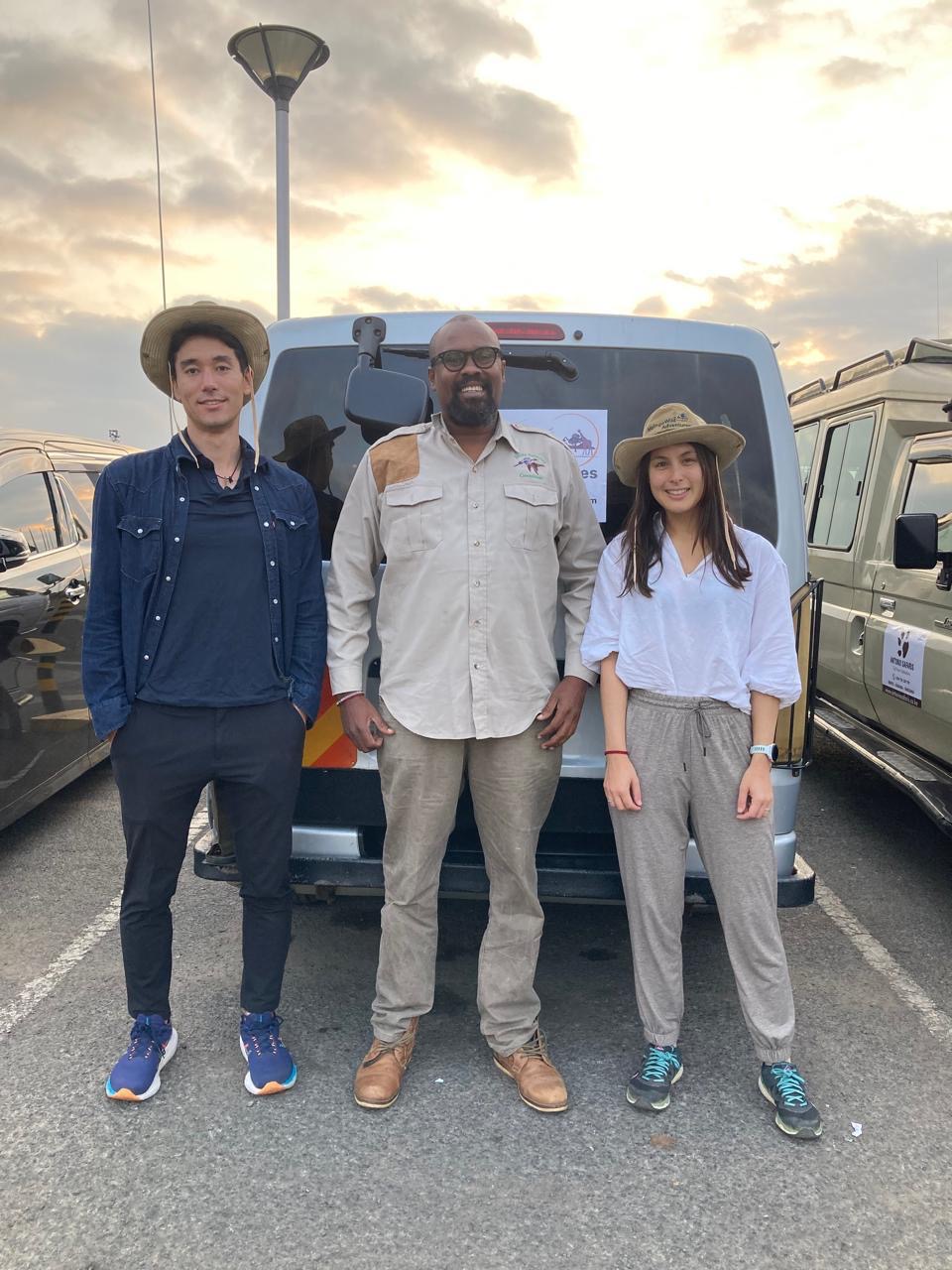
Packing for a safari is simpler than most people expect. You need far less than you’d think, in the right colours, with layers for the temperature swings between a cold dawn game drive and a warm afternoon. Here’s our practical, guide-tested checklist.
Clothing
Think light, breathable and neutral. Mornings and evenings can be genuinely cold, especially in an open vehicle, while midday is hot, so layering is the key.
- Neutral colours: khaki, olive, beige, tan and soft greens. These blend into the bush and don’t stand out to wildlife.
- A warm layer: a fleece or light insulated jacket for early-morning game drives. This is the item people most often forget and most often need.
- Long-sleeved shirts and long trousers: for sun protection during the day and against insects at dusk. Zip-off trousers are handy.
- T-shirts and shorts for warmer midday hours.
- A wide-brimmed hat and sunglasses.
- Comfortable closed shoes: trainers or light hiking shoes are plenty, and you rarely need heavy boots.
- A light rain jacket if you’re travelling in the green season (March to May, or November).
- Swimwear if your camp has a pool or you’re finishing on the coast.
A note on colours
Avoid dark blue and black clothing, which can attract tsetse flies in some areas. Skip bright white (it shows dust quickly and can spook wildlife). And leave camouflage at home, since military-style clothing is restricted for civilians in Kenya and can cause problems.
Gear and electronics
- Binoculars: the single best upgrade to your safari. Even one pair shared between two people makes a huge difference.
- Camera with a zoom lens, plus spare batteries and memory cards. You’ll take more photos than you expect.
- A power bank: some camps have limited or solar power.
- A universal travel adapter: Kenya uses the UK-style Type G three-pin plug (230V).
- A headlamp or small torch for walking around camp at night.
Health and toiletries
- High-SPF sunscreen and lip balm: the equatorial sun is strong.
- Insect repellent (containing DEET) for dawn and dusk.
- Antimalarial medication: much of Kenya is a malaria area, so consult your doctor or a travel clinic before you go.
- Any personal or prescription medication, plus a small basic first-aid kit.
- Hand sanitiser and wet wipes for on-the-road convenience.
Documents
- Passport valid for at least six months, with blank pages.
- Your Kenya eTA or visa (arrange online before travel).
- Travel insurance details. We strongly recommend cover that includes medical evacuation.
- A Yellow Fever vaccination certificate if you’re arriving from (or have recently visited) a country where yellow fever is a risk. Check the current requirement for your route.
Luggage tips
- Use a soft-sided duffel bag rather than a hard suitcase. It’s easier to load into safari vehicles, and essential if any part of your trip involves light aircraft, which have strict weight limits (often around 15 kg / 33 lb, soft bags only).
- Pack less than you think. Many camps offer same-day laundry, so a few changes of clothes go a long way.
A few things to leave at home
- Single-use plastic bags. Kenya has banned them since 2017, and bringing them in can lead to fines, so bring a reusable bag instead.
- Drones, unless you have explicit permits. They’re restricted in national parks and reserves.
- Excess valuables and jewellery you won’t need in the bush.
The bottom line
Neutral colours, warm layers for the mornings, binoculars, sun and insect protection, and a soft bag. Get those right and you’re set. If you have a specific trip booked with us and want a tailored packing list for your exact route and season, just ask us and we’ll send one over.