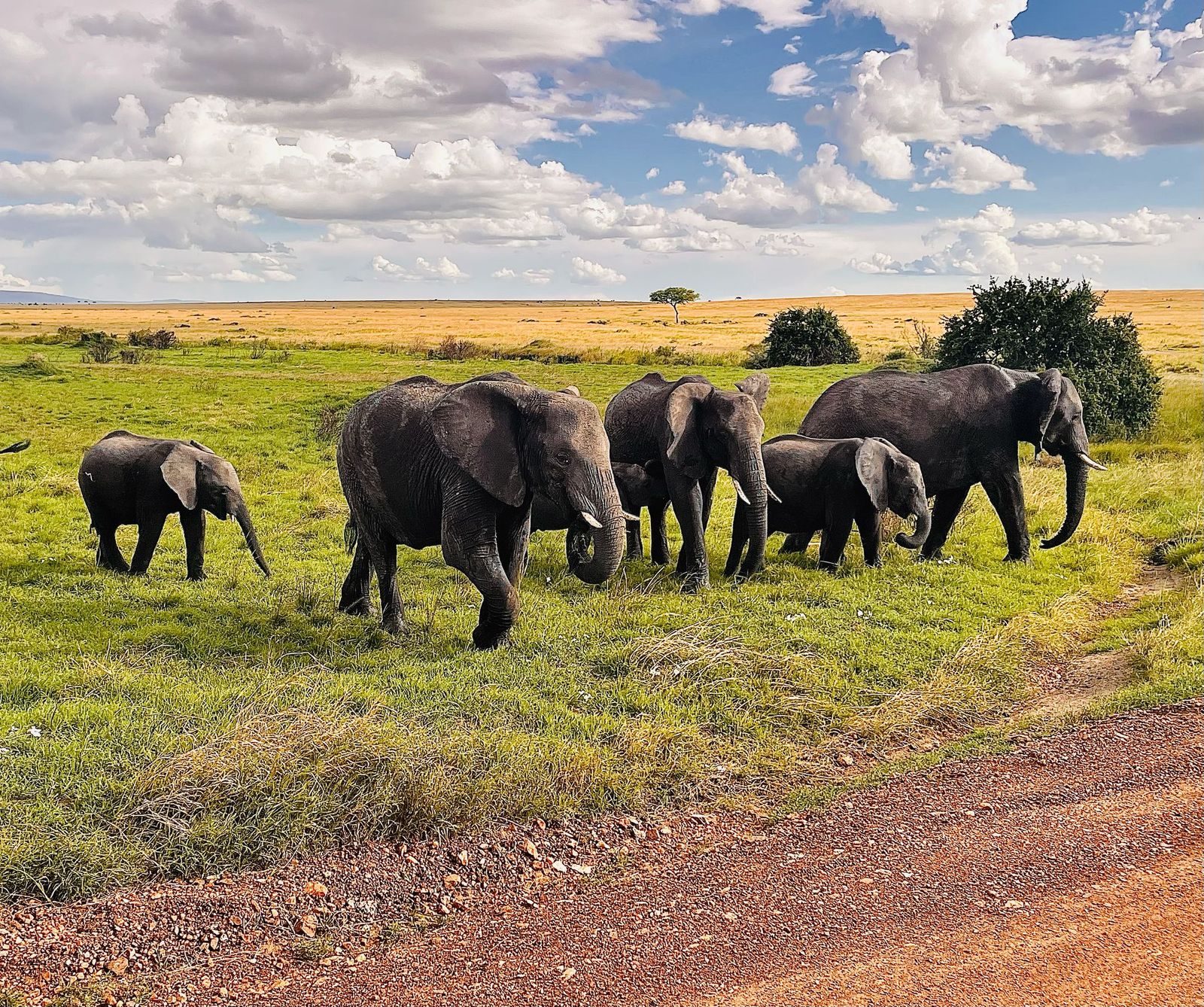
One of the first questions travelers ask us is, “When is the best time to go on safari in Kenya?” The honest answer is that there isn’t a single perfect month. It depends on what matters most to you. Kenya is a year-round safari destination, and every season has something to offer. Below is a straightforward guide to help you choose the timing that fits your trip.
The short answer
If you want the easiest game viewing and the most reliable weather, aim for the dry seasons: late June to October, and January to February. If witnessing the Great Migration is your dream, the herds are in Kenya’s Masai Mara roughly July to October. If you’d rather avoid crowds and travel for better value, the green season (November, and March to May) is quieter and beautiful.
Kenya’s safari seasons
Kenya has two dry seasons and two rainy seasons, and they shape the safari experience more than the calendar month itself.
The dry seasons (best for game viewing)
Late June to October is Kenya’s main dry season and its peak safari period. With less rainfall, vegetation thins out and animals gather around rivers and waterholes, which makes wildlife easier to spot and predators easier to find. Skies are clear and the days are warm. This is also Great Migration season in the Masai Mara.
January to February is a shorter dry spell after the “short rains.” Landscapes are still fairly green from the recent rain but the skies clear up, game viewing is excellent, and it’s a little quieter than the July to October peak. It’s one of our favourite windows for a balanced trip.
The green seasons (quieter and better value)
March to May is the “long rains.” Expect afternoon showers rather than all-day downpours, dramatic skies, lush scenery, and newborn animals. Some camps close or drop their rates, so it’s the best value time of year and the quietest in the parks. Roads can be muddy in places, and the migration herds are down in Tanzania.
November to early December brings the “short rains”: brief, scattered showers that rarely disrupt a game drive. The bush turns green, the light is beautiful for photography, and prices sit below peak. It’s an underrated window.
Best time for the Great Migration
The Great Migration is the reason many travelers time their trip for the dry season. The wildebeest and zebra herds cross from Tanzania’s Serengeti into the Masai Mara from around July, stay through the season, and begin heading south again in October and November. The famous Mara River crossings are most likely between August and October, though nature never runs to a schedule, so patience is part of the experience. If the migration is your goal, our Masai Mara Short Break and our Lake Nakuru, Lake Naivasha & Masai Mara circuit both put you in the right place at the right time. (For more on this, see our guide to migration vs Big Five safaris.)
Best time for fewer crowds and lower prices
If you’d rather not share a river crossing with a line of vehicles, travel in the green season (March to May, or November). The parks are quiet, accommodation is more affordable, and resident wildlife such as lion, elephant, giraffe and rhino is around all year regardless of the migration. You trade the migration spectacle for a more peaceful, better-value safari.
Best time for birdwatching
For birders, November to April is the richest window, when migratory species from Europe and Asia join Kenya’s resident birds. Lakes like Nakuru and Naivasha are especially rewarding, with flamingos, fish eagles and hundreds of species around the water.
A quick month-by-month reference
- January to February: Dry, green, excellent game viewing, moderate crowds.
- March to May: Long rains, lush and quiet, best value, migration in Tanzania.
- June: Rains ease, shoulder season, good value before peak.
- July to October: Peak dry season and Great Migration in the Mara. The best game viewing, but the busiest and priciest.
- November: Short rains, green and quiet, great light and value.
- December: Festive season picks up, and game viewing is still good.
Our honest advice
There is no bad time to be on safari in Kenya. Resident wildlife is here all year. Choose the dry season (July to October) for the migration and the surest sightings, or the green season for a quieter, more affordable trip with dramatic scenery. If you tell us your travel dates, we’ll tell you honestly what the season will realistically look like, rather than selling you on timing that doesn’t fit your trip.